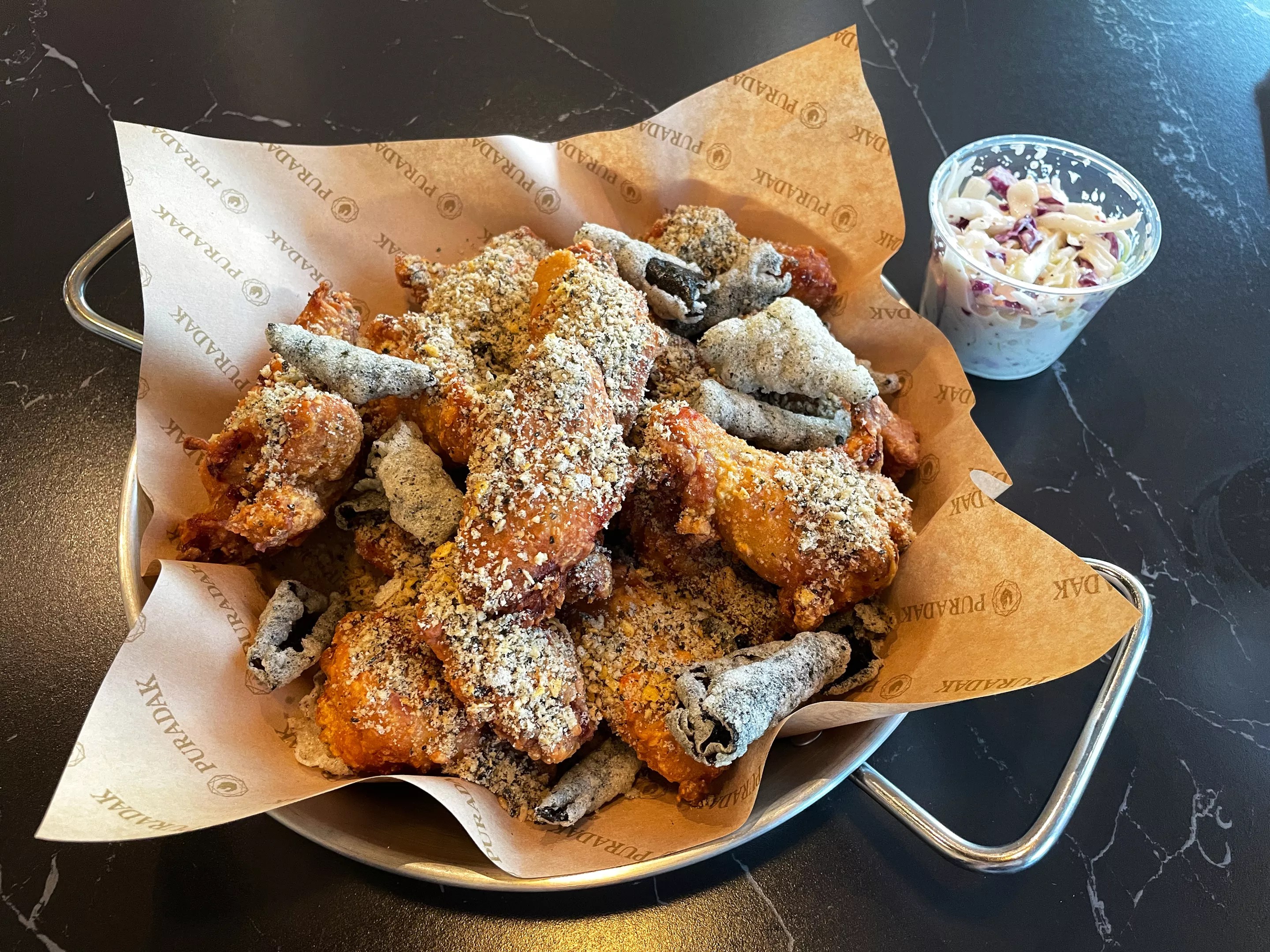
Unlocking the Secret to the Perfect Eggshell-Thin Crust on Korean Fried Chicken
There’s fried chicken, and then there’s Korean Fried Chicken (KFC). While both are undeniably delicious, they exist in distinct culinary universes, each with its devoted following. Yet, for many, the allure of KFC lies in one undeniable characteristic: its impossibly thin, almost translucent crust that shatters with an audible crunch, revealing a succulent, juicy interior. Unlike its American counterpart, which often boasts a craggy, substantial coating akin to a culinary fortress, Korean fried chicken offers an elegant, delicate crispness that feels both feather-light and incredibly satisfying. Achieving this signature "eggshell-thin" crust is the holy grail for home cooks, and it’s a journey worth embarking on. So, what’s the secret behind this seemingly magical texture?
The Core Difference: Batter and Method
The fundamental distinction between Korean and American fried chicken begins with the batter. Where American recipes often call for a thick, flour-based dredge, sometimes enhanced with buttermilk or egg washes to build up a substantial coating, Korean fried chicken takes a minimalist approach. The goal isn't a hefty, textural outer layer, but rather a whisper-thin shell that acts as a crispy envelope for the tender meat within. This difference dictates every subsequent step in the cooking process.
Korean fried chicken recipes typically utilize a very thin, almost watery batter that barely coats the chicken. This isn't just a stylistic choice; it's a technical necessity. A lighter batter means less moisture to cook off, leading to a faster, crisper result. Furthermore, the magic of KFC often lies in its frying technique. While not always explicitly stated in every recipe, the secret weapon for ultimate crispness is almost universally the "double-fry" method. This technique, which involves frying the chicken twice at different temperatures, is paramount to achieving that distinct, enduring crunch that defines Korean Fried Chicken and sets it apart from other global varieties.
Choosing Your Canvas: The Right Chicken Cut
While the batter and frying technique are crucial, the journey to the perfect KFC crust begins even earlier: with the choice of chicken. Not all chicken cuts are created equal when it comes to the intense heat of deep frying.
Dark Meat Superiority: For optimal results, dark meat chicken reigns supreme. Cuts like wings and thighs are naturally more forgiving under high heat. Their higher fat content and more robust connective tissue mean they can withstand longer cooking times without drying out, maintaining their juicy integrity. White meat, such as breast, is far more temperamental. Even a slight overcook – sometimes as little as 15-30 seconds extra in the hot oil – can transform it into dry, stringy fare. While some Korean establishments use very small, young birds (think Cornish hens) to ensure moist breast meat, for the home cook, opting for dark meat is a much more foolproof strategy.
Wings as the Ultimate Choice: Among dark meat options, wings are often heralded as the ultimate choice for Korean fried chicken. Not only are they typically more economical, but they also boast an ideal skin-to-meat ratio – more skin means more surface area for that incredible crispy crust to form, and less meat ensures quick, even cooking. Many enthusiasts, including myself, prefer using meaty whole-wing portions with the tips still attached. This provides a more substantial bite and prevents the smaller pieces from overcooking too quickly. For a deeper dive into why wings are truly special, check out our article on Why Korean Fried Chicken Wings Are the Crispiest Choice.
Crafting the Crispy Shell: The Batter Unveiled
The thin batter is arguably the most defining element of Korean fried chicken's texture. It's not about creating a thick, protective layer, but rather a delicate film that crisps up intensely during frying.
- The Thin Batter Principle: The key here is *minimalism*. Your batter should be thin enough to barely coat the chicken, allowing the skin to show through slightly. This ensures that the crust remains light and delicate, rather than heavy and doughy.
- Key Ingredients for Crunch: While a basic flour-and-water batter can work, many Korean fried chicken recipes elevate the crispness by incorporating starches. Common additions include:
- Potato Starch: A popular choice, potato starch yields an incredibly light and crisp texture.
- Tapioca Starch: Known for its ability to create a resilient, crunchy coating that holds up well.
- Cornstarch: A readily available option that also contributes to a superior crispness compared to using flour alone.
- Achieving Adhesion: One of the biggest challenges with a thin, water-based batter is getting it to stick to the fatty, slippery surface of chicken skin. This is where meticulous preparation comes in:
- Pat Dry, Then Dry Again: Before anything else, ensure your chicken pieces are absolutely, unequivocally dry. Excess surface moisture is the enemy of adhesion. Use paper towels to thoroughly pat down each piece.
- The Light Flour Dredge: A common and highly effective trick is to give the thoroughly dried chicken a very light dusting of plain flour before dipping it into the thin batter. This creates a slightly rougher, drier surface for the batter to cling to. Shake off any excess flour vigorously.
- Cold Batter, Cold Chicken: Keeping both your chicken and your batter chilled can also help with adhesion and minimize the risk of the batter sliding off prematurely in the hot oil.
The Frying Technique: Mastery of the Oil
Once your chicken is properly battered, the magic truly unfolds in the hot oil. This is where precision and patience pay off, particularly through the indispensable double-fry method.
- Oil Choice: Opt for an oil with a high smoke point and neutral flavor. Peanut oil is a traditional favorite for its ability to produce optimum crispness and can often be reused. Vegetable shortening is another excellent choice.
- Temperature Control is King: Consistency is crucial. Invest in a reliable deep-fry thermometer and maintain the oil temperature diligently.
- The Double-Fry Method Explained: This technique is non-negotiable for that signature KFC crust.
- First Fry (Lower Temperature, ~325-350°F / 160-175°C): The initial fry is designed to cook the chicken through, render out a significant amount of fat from the skin, and set the batter into a firm crust. Fry in batches to avoid overcrowding the pot, which lowers the oil temperature and leads to soggy chicken. Fry for about 8-10 minutes, until the chicken is cooked through and the crust is pale golden.
- Resting Period: Remove the chicken from the oil and let it rest on a wire rack for 5-10 minutes. This resting period is critical. It allows residual heat to redistribute, helps further crisp up the initial crust, and crucially, allows some of the internal moisture to evaporate from the surface, setting the stage for the ultimate crunch.
- Second Fry (Higher Temperature, ~375°F / 190°C): Increase the oil temperature for the final fry. This shorter, hotter fry is all about achieving that deep golden color and transforming the crust into an incredibly brittle, shatteringly crisp texture. Fry for another 2-4 minutes, until the chicken is a beautiful golden brown and sounds hollow and crisp when tapped.
- Batch Frying: Never overcrowd your fryer. Frying too many pieces at once drastically drops the oil temperature, resulting in greasy, soggy chicken. Work in small batches, ensuring each piece has enough space.
Beyond the Fry: Glazes and Serving
Once your Korean fried chicken emerges from its double-fry, boasting that perfect eggshell-thin crust, it's ready for its final flourish: the glaze. While some prefer it plain, many love KFC for its vibrant, flavorful sauces. From the iconic spicy Gochujang-based Yangnyeom chicken to the sweet, savory soy-garlic varieties, these glazes add another layer of sensory delight. The key is to apply the glaze *after* frying, often by tossing the hot chicken in the sauce just before serving. This ensures the sauce coats the already crispy crust without compromising its hard-earned crunch.
Historically, Korean fried chicken has transcended its origins as a mere snack or appetizer. In Korea, it's a beloved weekend dinner staple, often delivered piping hot to your door for a convenient and satisfying meal. Paired with pickled radishes and a cold beer, it's a culinary experience that's hard to beat.
Conclusion
Achieving the perfect eggshell-thin crust on your Korean Fried Chicken is a testament to meticulous technique and understanding the nuances of ingredients. From selecting the right dark meat cuts, particularly wings, to crafting a delicate starch-based batter that adheres perfectly, every step contributes to the ultimate goal. The non-negotiable double-fry method, with its precise temperature control, is the final act in transforming simple chicken into a masterpiece of texture. Master these elements, and you'll be well on your way to creating KFC that not only crackles and crunches but also stands as a testament to the unparalleled crispy perfection that is uniquely Korean.
