The Quest for the Ultimate Crunch: Why Korean Fried Chicken Wings Reign Supreme
There's something universally comforting, undeniably satisfying, and utterly delicious about fried chicken. It's a dish celebrated across cultures, often marking special occasions or simply providing the perfect culinary comfort. For some, like the individual whose wife recently celebrated a 5k race milestone not with champagne, but with the specific request for fried chicken, the choice of fried chicken truly matters. When the craving strikes, it's not just *any* fried chicken that will do; it has to be the best. And when it comes to achieving an unparalleled level of crispness, an almost ethereal crunch that defies expectation, there's one clear winner in the global arena: Korean fried chicken, particularly its wing variations.
While many nations boast their own cherished fried chicken traditions, Korea has truly perfected the art, elevating it to an experience distinct from its counterparts. The signature of Korean Fried Chicken vs. American: The Secret to Superior Crispiness lies in its uniquely delicate yet incredibly resilient crust, making Korean fried chicken wings the gold standard for anyone chasing that ultimate, crackling bite.
The Unrivaled Crispness of Korean Fried Chicken
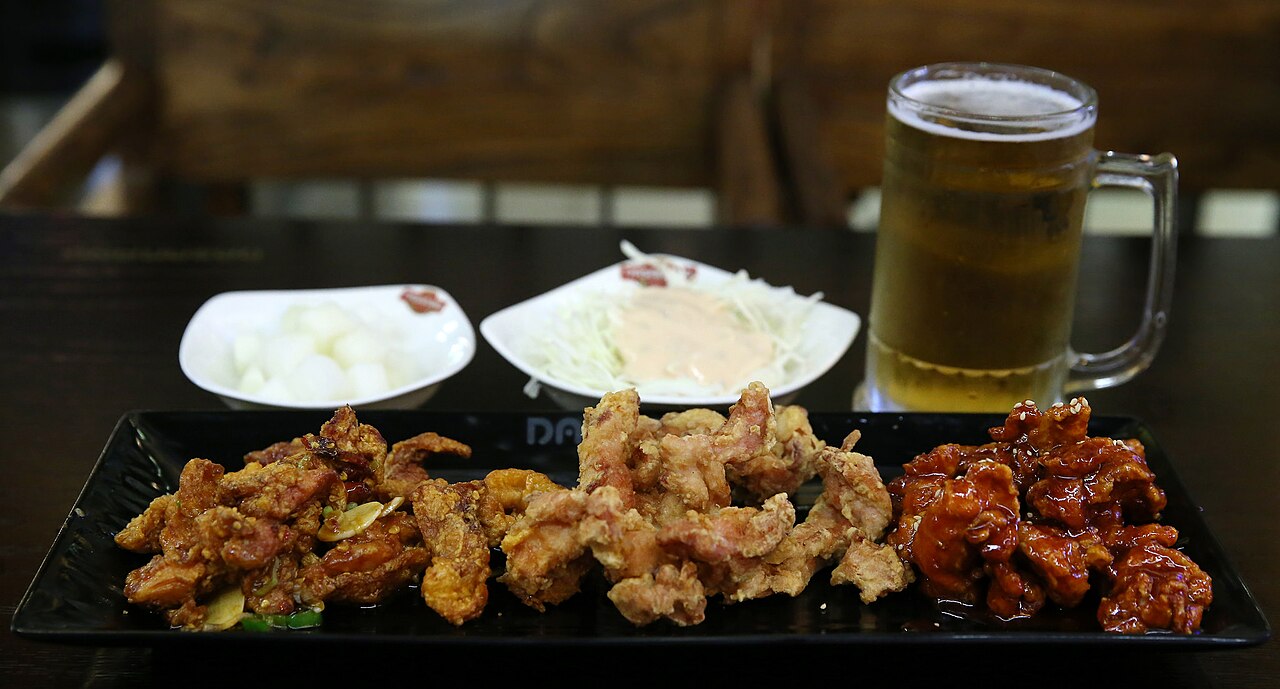
Forget the thick, craggy, often bready coatings you might associate with classic American fast-food fried chicken. Korean fried chicken, affectionately dubbed KFC by enthusiasts, offers a radically different textural experience. Instead of a substantial, heavy crust, you're greeted with what can only be described as an eggshell-thin, ultra-crisp shell. This delicate exterior shatters with a satisfying crunch, revealing a gloriously juicy and tender interior. It's a masterclass in contrasts – a feather-light crispness cradling succulent meat.
The magic isn't just in the sound or the initial bite; it's also in the lasting power. Unlike some fried chicken that can turn soggy quickly, properly made Korean fried chicken maintains its integrity, remaining remarkably crisp even when coated in a sticky, flavorful glaze. This enduring crunch is a testament to the meticulous techniques involved, setting it apart and making it a truly superior choice for those who prioritize texture above all else.
Why Wings Are the Ultimate Choice for Korean Fried Chicken
While Korean fried chicken can certainly be made with various cuts, there’s a compelling argument to be made for wings as the quintessential choice for achieving maximum crispiness and flavor.
- Superior Skin-to-Meat Ratio: Wings naturally boast a higher proportion of skin to meat. And as any fried chicken connoisseur knows, crispy skin is where the magic happens. More skin means more surface area for that signature crackling crust.
- Resilience to High Heat: Wings are primarily dark meat. Dark meat cuts like wings and thighs are far more forgiving under the high temperatures required for frying. They can withstand prolonged exposure to hot oil without drying out, maintaining their succulence even as the crust transforms into golden perfection. White meat, on the other hand, such as breast meat, has a much narrower window of perfection; even a slight overcook can result in dry, stringy chicken.
- Inherent Juiciness: The connective tissues and fat content in chicken wings contribute to their inherent juiciness and rich flavor. This ensures that even with an aggressive frying process, the meat remains moist and tender, providing a beautiful contrast to the crisp exterior. While some Korean preparations use very small, young birds (akin to Cornish hens) to ensure moist breast meat, opting for wings is a far simpler and more consistently delicious route for home cooks and chefs alike.
- Cost-Effectiveness and Versatility: Wings are generally more affordable than other cuts, making them an excellent choice for feeding a crowd or simply indulging without breaking the bank. Their smaller size also makes them perfect as a snack, appetizer, or a lighter main course.
For the best results, many enthusiasts, myself included, prefer using meaty whole-wing portions with the tips still attached. These provide ample surface area for the crispy batter and a satisfying amount of tender meat.
The Science Behind the Superior Korean Crunch
The exceptional crispiness of Korean fried chicken isn't just a happy accident; it's the result of a deliberate, scientific approach to frying. Several key techniques converge to create that unmistakable textural masterpiece.
The Feather-Light Batter
One of the foundational secrets to the eggshell-thin crust is the batter itself. Unlike thick, seasoned flour dredges, Korean fried chicken typically employs a very thin, almost watery batter. This delicate coating is designed to barely cling to the chicken, creating a fragile yet incredibly crisp shell. Key ingredients often include:
- Flour and Starch Blend: While a basic flour and water batter is a starting point, many recipes incorporate various starches like potato starch or tapioca starch. These starches are crucial for achieving that unique, almost glass-like crispness and for creating a more resilient crust that can absorb glazes without immediately becoming soggy. They help achieve the desired delicate crunch that distinguishes Korean fried chicken.
- Minimal Coating: The goal is a whisper-thin layer. This can be challenging as fatty chicken skin naturally repels water-based liquids. Techniques often involve ensuring the chicken is thoroughly dry before dipping, or sometimes using a light dusting of starch first to create a better adhesion surface. The objective is to Achieve the Perfect Eggshell-Thin Crust on Korean Fried Chicken that cracks rather than chews.
The Double-Frying Technique
Perhaps the single most important technique contributing to KFC's legendary crispness is double-frying. This two-stage frying process is an absolute game-changer:
- First Fry (Lower Temperature, Longer Duration): The chicken is fried at a moderate temperature (around 325-350°F or 160-175°C) for a longer period. This stage cooks the chicken through, renders a significant amount of fat from the skin, and sets the initial, thin crust. It effectively dehydrates the skin, preparing it for ultimate crispness.
- Second Fry (Higher Temperature, Shorter Duration): After a brief resting period (allowing residual moisture to evaporate from the surface), the chicken is returned to hotter oil (around 375°F or 190°C). This short, high-heat burst achieves the spectacular, shatteringly crisp exterior. Any remaining moisture is aggressively driven out, resulting in an incredibly light, airy, and audibly crunchy crust that holds up remarkably well.
This careful orchestration of temperatures and times ensures the chicken is cooked perfectly while its crust reaches peak crispness, almost acting like an edible protective shell.
The Artful Glaze Application
While not strictly part of the crispness-creation, the glazes used in Korean fried chicken are an integral part of its appeal and demonstrate the crust's resilience. Unlike American-style sauces that can quickly turn crispy chicken soggy, Korean glazes are designed to cling without compromising the crunch. The two most famous styles include:
- Yangnyeom Chicken (Spicy & Sweet): This iconic glaze, often referred to as "Yangnyeom," features a vibrant red, sticky, and spicy sauce made primarily with gochujang (Korean chili paste), garlic, soy sauce, and sweeteners. It delivers a punchy flavor profile that's both addictive and incredibly popular.
- Ganjang Chicken (Sweet Soy & Garlic): For those who prefer a non-spicy option, the sweet soy and garlic glaze offers a savory, umami-rich experience. It’s typically made with soy sauce, garlic, ginger, and sugar, resulting in a dark, glossy, and intensely flavorful coating.
The thin, durable crust of Korean fried chicken is perfectly suited to these glazes, allowing them to enhance the flavor without sacrificing the cherished crispness.
Beyond the Crunch: The Korean Fried Chicken Experience
In Korea, fried chicken is more than just a meal; it's a cultural phenomenon. It's a beloved snack, a go-to appetizer, and frequently a convenient and satisfying weekend dinner. Growing up in Korea, the ease of calling a local KFC store and having a fresh, hot order delivered to your doorstep within 30 minutes was a common luxury. This deep integration into daily life speaks volumes about its popularity.
The experience is often incomplete without its traditional pairings. The most famous is "Chimaek" – the combination of "chi-cken" and "maek-ju" (beer). The refreshing fizz of a cold beer perfectly complements the rich, savory, and often spicy flavors of the chicken. Another essential accompaniment is pickled radish, offering a tangy, palate-cleansing counterpoint to the fried goodness.
From plain crispy chicken (often seasoned simply with salt and pepper) to the wildly popular Yangnyeom and Ganjang varieties, the range of flavors ensures there's a Korean fried chicken for every palate.
Conclusion
For those who believe that the ultimate fried chicken experience hinges on an exquisite crunch, Korean fried chicken wings stand in a league of their own. It's a culinary triumph born from thoughtful ingredient selection, precise techniques like double-frying and a feather-light batter, and a deep cultural appreciation for quality. The combination of succulent dark meat wings, an eggshell-thin, impossibly crisp crust, and vibrant glazes creates an experience that is truly unmatched. So, the next time you're celebrating a milestone, or simply craving the very best fried chicken, reach for the Korean variety – your taste buds will thank you for choosing the crispiest, most satisfying option available.
