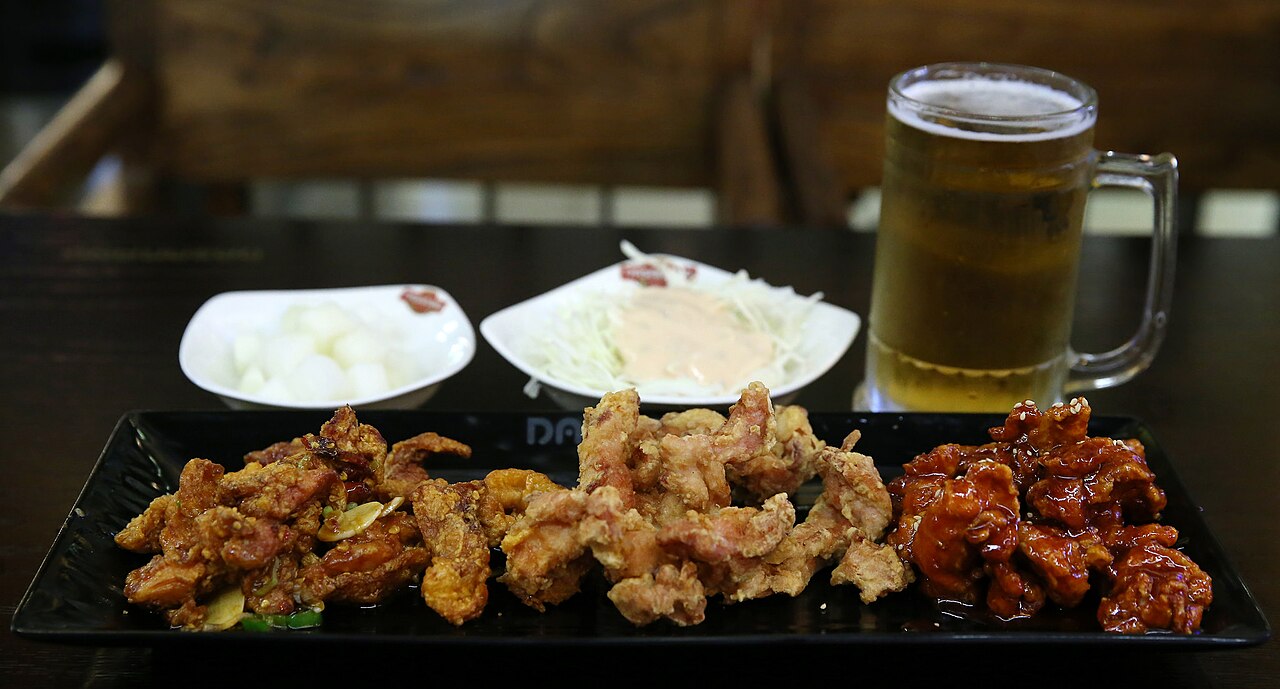
Korean Fried Chicken: The Crispy Revolution Redefining Fried Chicken
When it comes to the beloved, universally cherished dish of fried chicken, two culinary titans often emerge: the classic American style and the increasingly popular
Korean fried chicken (KFC). While both offer the undeniable pleasure of hot, juicy chicken, they diverge dramatically in their approach, particularly in the pursuit of that ultimate, coveted crispiness. For many, the Korean method has perfected the art, delivering a texture so unique and satisfying it redefines expectations.
The craving for truly exceptional fried chicken is universal. It's the celebratory meal, the comforting indulgence, the undisputed champion of casual dining. And when you commit to making or enjoying it, it *must* be the best. This article will delve into the secrets behind Korean fried chicken's superior crunch, exploring the techniques, ingredients, and philosophy that set it apart from its American counterpart. Prepare to uncover the delicious science behind that inimitable, almost ethereal crisp.
Beyond the Craggy Crust: What Sets KFC Apart
The most striking difference between Korean and American fried chicken lies in their crusts. Think of your favorite American fried chicken – a Popeye's drumstick or a Chick-fil-A sandwich. You'll likely picture a thick, craggy, often heavily seasoned breading that provides a substantial, hearty crunch. This style offers a satisfying bite, but the crust can sometimes feel dense or even slightly bready, occasionally detaching from the meat.
Korean fried chicken, on the other hand, presents an entirely different textural experience. It boasts an *eggshell-thin, ultra-crisp crust* that crackles and shatters with every bite. This delicate, almost translucent coating adheres tightly to the chicken, creating a harmonious blend of crisp exterior and succulently juicy interior. It's lighter, airier, and less greasy, allowing the quality of the chicken itself to shine through while delivering an unparalleled textural delight. This isn't just fried chicken; it's a crispy revelation.
The Quest for the Perfect Crunch: Key Differences
Achieving this distinct crispness isn't accidental; it's the result of a meticulously developed series of techniques. Unlike the typically single-fried, often heavily seasoned flour-based dredge of American chicken, Korean fried chicken employs specific batters, starches, and a crucial double-frying method. Each step is designed to optimize moisture removal from the skin and batter, creating an incredibly light and brittle texture that simply can't be matched by conventional methods.
The Science of Superior Crispiness: Batter, Double Fry, and Starch
The true magic of Korean fried chicken resides in its technique. It's a testament to how small variations in ingredients and process can lead to profoundly different, and in this case, superior, results.
The Eggshell-Thin Batter: More Than Just Flour and Water
While some early iterations of Korean fried chicken might have started with a simple flour and water batter, modern KFC achieves its signature "eggshell-thin crack" through a more sophisticated approach, often incorporating various starches. The primary challenge with a very thin batter is getting it to stick to the fatty, water-repellent chicken skin. The solution lies in a careful balance and the properties of specific ingredients.
*
The Starch Advantage: Instead of relying solely on wheat flour, Korean recipes frequently utilize potato starch, tapioca starch, or a combination of the two. These starches absorb less oil during frying, leading to a lighter, crispier, and less greasy crust. They also contribute to that uniquely brittle texture. When mixed with a small amount of flour and water, they form a very thin, almost watery batter that, when properly applied, creates that desired delicate coating.
*
Ensuring Adhesion: To combat the issue of the batter not sticking, chicken pieces are often patted meticulously dry before being lightly dusted with a fine layer of flour or starch. This creates a slightly rough surface for the thin batter to cling to. The batter itself is kept very cold, which helps it adhere better to the chicken upon contact. For more in-depth techniques, explore how to
achieve the perfect eggshell-thin crust on Korean fried chicken.
The Double-Fry Advantage: A Non-Negotiable Step
Perhaps the single most critical factor in Korean fried chicken's extraordinary crispiness is the double-frying technique. This isn't just a preference; it's a scientific process designed to maximize crispness and minimize greasiness.
1. **First Fry (Lower Temperature, Longer Duration):** The chicken is initially fried at a moderate temperature (around 325-350°F or 160-175°C) for a longer period. This stage cooks the chicken through, rendering out much of the fat from the skin and beginning the process of dehydrating the batter. The lower temperature ensures the chicken cooks evenly without burning the crust.
2. **Second Fry (Higher Temperature, Shorter Duration):** After a brief resting period (crucial for allowing internal moisture to equalize and excess oil to drain), the chicken is plunged back into hotter oil (around 375-400°F or 190-205°C). This high-heat, short-burst fry achieves several things: it rapidly crisps up the now dehydrated batter, driving out any residual moisture and creating that characteristic brittle, shattering texture. It also develops a beautiful golden-brown color. The resting period between fries is vital, allowing steam to escape and preventing the crust from becoming soggy.
Optimal Oil and Temperature: The Unsung Heroes
The choice of frying medium also plays a role. Oils with high smoke points, such as peanut oil, canola oil, or shortening, are preferred. These oils can withstand the high temperatures required for double-frying without breaking down, ensuring a clean flavor and optimal crispness. Maintaining consistent oil temperature throughout both frying stages is paramount. Too low, and the chicken becomes greasy; too high, and the crust burns before the chicken cooks.
The Foundation: Choosing the Right Cut of Chicken
While technique is king, the starting material—the chicken itself—is equally important in the pursuit of fried chicken perfection.
Why Dark Meat Reigns Supreme for Frying
In the realm of fried chicken, dark meat consistently outperforms white meat. Cuts like drumsticks and thighs, and especially wings, are naturally more forgiving during the high-heat cooking process. Dark meat has a higher fat content and more connective tissue, making it inherently juicier and more resilient to overcooking. It has a much greater window of time between being perfectly cooked and becoming dry.
White meat, particularly breast meat, can become dry and stringy with just a few degrees above the ideal temperature or an extra 15-30 seconds in the oil. In Korea, when breast meat is used, it's often from very small, young birds (akin to Cornish hens) that have a higher concentration of moist connective tissue. However, for most home cooks, sticking to dark meat, particularly wings, is the easiest and tastiest path to success.
The Skin-to-Meat Ratio: A Crispy Obsession
Wings are a natural choice for Korean fried chicken for several reasons: they are economical, cook quickly, and boast an excellent skin-to-meat ratio. More skin means more surface area for that incredible, crispy crust. Many aficionados prefer meaty whole-wing portions with the tips still attached, as opposed to just drumettes and flats, as they offer the most generous skin coverage and a satisfying amount of tender meat. For an in-depth look at why wings are often the crispiest choice, refer to our article on
why Korean fried chicken wings are the crispiest choice.
Flavor Beyond the Crunch: Glazes and Experience
While the crispiness is a star, the flavors of Korean fried chicken are equally iconic and diverse, adding another layer to its global appeal.
Sweet, Spicy, or Savory: The Iconic Glazes
Unlike American fried chicken, which is often seasoned within its breading, Korean fried chicken typically gets its distinctive flavor from a glaze applied *after* frying. This ensures the crust remains incredibly crisp, as the glaze is quickly absorbed by the hot chicken rather than saturating the batter during cooking.
*
Yangnyeom Chicken (양념치킨): The most famous spicy Korean fried chicken, known for its vibrant red, sticky, sweet-and-spicy gochujang-based glaze. It's a flavor explosion that perfectly complements the crispiness.
*
Ganjang (Soy-Garlic) Chicken: A milder but equally addictive option, featuring a savory, slightly sweet soy sauce and garlic-infused glaze.
*
Honey Butter: A newer, popular trend offering a sweet and savory experience.
These glazes are applied hot, often tossed with the freshly fried chicken, ensuring every piece is coated in a sticky, flavorful layer that still allows the crunch to shine through.
A Cultural Phenomenon: Chimaek and Delivery
Beyond its taste, Korean fried chicken is a cultural institution. It's a beloved snack, appetizer, and often a weekend dinner, synonymous with convenience and communal enjoyment. In Korea, ordering fried chicken for delivery is a national pastime, especially when paired with beer – a combination known as "Chimaek" (chicken + maekju/beer). This experience highlights its role as more than just food, but as a centerpiece of social gatherings and relaxed evenings.
Replicating the Magic at Home: Tips for the Aspiring KFC Chef
Inspired to try your hand at making this crispy delight? Here are a few practical tips to help you achieve that superior Korean fried chicken crispiness at home:
1.
Pat Dry Religiously: Ensure your chicken pieces are as dry as possible before dredging. This is crucial for batter adhesion and ultimate crispiness.
2.
Embrace Starches: Experiment with potato or tapioca starch in your batter for that characteristic thin, brittle crust. A 1:1 ratio with all-purpose flour for the dry dredge, or a primarily starch-based thin batter, works wonders.
3.
Don't Skip the Double Fry: This is non-negotiable. Plan for two distinct frying stages with different oil temperatures.
4.
Monitor Oil Temperature: Use a reliable thermometer. Consistent temperatures are key to avoiding greasy or burnt chicken.
5.
Rest Between Fries: Allow the chicken to rest for 5-10 minutes between the first and second fry. This helps moisture redistribute and allows the crust to firm up.
6.
Glaze After Frying: Prepare your chosen glaze and toss the freshly fried chicken in it immediately after the second fry. Serve quickly to maintain maximum crispness.
Conclusion
The debate between Korean and American fried chicken ultimately boils down to a matter of preference, but when it comes to sheer crispiness, Korean fried chicken truly sets itself apart. Its delicate, shattering crust, achieved through meticulous batter composition, the crucial double-frying technique, and careful selection of cuts, delivers an unparalleled textural experience. It's a testament to culinary ingenuity, offering a lighter, less greasy, and intensely satisfying crunch that has captivated palates worldwide. So, the next time you crave fried chicken, consider indulging in the crispy revolution that is Korean fried chicken – your taste buds will thank you.